Spider Plant Complete Care : Spider Plant: The Low-Maintenance Houseplant Perfect for Every Home
Total Views |


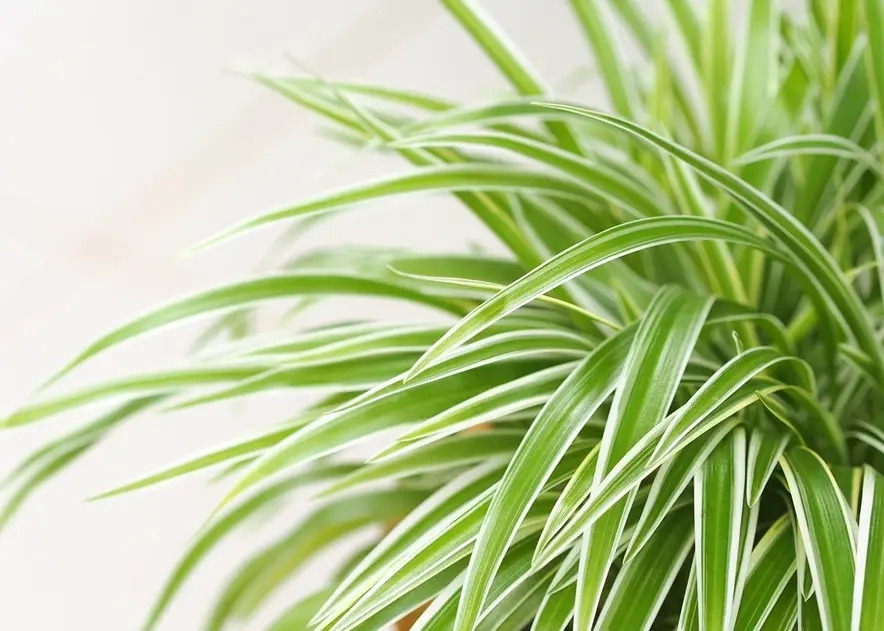
Spider Plant Complete Care : Spider plants scientifically known as Chlorophytum comosum are among the most popular indoor plants thanks to their graceful arching leaves and easy-care nature. arching leaves that are 12 to 18 inches long, either green or variegated with white. They grow quickly and produce long stems with tiny star-shaped flowers that, once pollinated, develop into small fruits. When the flowers fall, they leave behind plantlets that can grow their own roots and be easily propagated into new plants.
Benefits of Spider Plant
* Though they look great on a counter or tabletop, spider plants don't need to take up valuable space because you can grow them in a hanging basket.
* They require minimal care, which makes them ideal for beginners.
* They produce lots of new plants and are easy to propagate.
* Unlike many other popular houseplants, they are safe around pets.
Spider Plant Care
*Plant in moist, loamy soil with good drainage.
*Prefers to grow in light shade.
*Does well in containers
*Water and fertilize regularly throughout the growing season (spring to fall).
*Thrives in warm and humid conditions.
Light
Indoors, spider plants prefer a bright window or patio door that gets indirect sun. Outdoors, spider plants prefer to grow in light shade. They tolerate heavy shade, but their growth won't be as robust. Direct sunlight scorches the leaves.
Soil
These plants grow in a variety of soil types, but they favor loose, loamy soil with sharp drainage. Spider plant prefers a fairly neutral soil pH but tolerates slightly acidic to slightly alkaline soil.
Water
Spider plants like lightly moist but not soggy soil. If possible, use rainwater or distilled water as they can be sensitive to chlorine and fluoride. The fleshy tubers retain moisture well, so inconsistent watering, while not ideal, won't harm spider plants too much.
In the winter, keep watering the plant regularly, as spider plant needs to be kept moist in all seasons.
Temperature and Humidity
Spider plants need warm, humid conditions. They won't tolerate temperatures below 50°F and should be protected from drafts and air-conditioning vents. Try to maintain a humidity level of 50 to 60%, which is best achieved with a room humidifier.
Fertilizer
These plants like a moderate amount of feeding, roughly once a month during the active growing seasons of spring and summer. Too much fertilizer causes brown leaf tips, but too little fertilizer will result in weak growth.1
Use an all-purpose granular or water-soluble fertilizer during the growing season, following label instructions. Adjust the amount if necessary depending on your plant's growth. Don't fertilize the plant in the winter when it goes semi-dormant.
Types of Spider Plant
There are several varieties of spider plants, including:
'Variegatum' spider plant: This variegated variety of spider plant has leaves with wide stripes of dark green down the middle with white stripes along the sides. The width of each stripe is about the same.
'Vittatum' spider plant: Vittatum spider plant has a center strip of white that takes up most of the leaf. Small- to medium-sized green margins line each leaf. The stems of the leaves and plantlets are white.
'Bonnie' spider plant: Bonnie looks the most different from the other types of spider plant. It has a more compact size and the leaves curl loosely, sometimes even into large ringlets. The green leaves have creamy stripes down the center, but there's more of a gradient between the cream and green stripes.
'Ocean' spider plant: The 'Ocean' variety has green leaves with thin creamy edges. The plant's shorter, wider leaves give it the appearance of a spikier plant.
Pruning
Remove dead or browning leaves as they appear. If a plant is becoming too leggy and sparse, remove the plantlet shoots to redirect energy to the main plant.
Spider Plant Propagation
Spider plants are easy to propagate and so prolific that you'll want to share them with all your friends. One of the easiest ways to propagate them is by cutting off the plantlets and replanting them.
Look for plantlets with roots. A mature spider plant getting enough light should send off offshoots (or plantlets) of what look like mini spider plants. Look for ones that have a growing root system at the base.
Cut off plantlets. Using sharp pruners, carefully cut the plantlets off the stem, keeping the roots intact. Make the cut where the stem and the plantlet meet.
Prep the pot(s). Prep as many small pots as you need (ideally terracotta ones) with a well-draining soil. The pots only need to be maybe 3 inches in diameter (one per plantlet). Moisten the soil.
Place the plantlet in the new pot. Set the plantlet on top of the soil and then just barely cover the existing roots with soil. The roots will need to grow more to establish themselves. Keep soil moist. Within a few weeks, roots should develop.
Spider plants can also be propagated by division. Unpot the entire plant and gently pull apart the root ball into sections, so you end up with several mature plants. Be careful to leave as many roots intact as possible. Then, replant the sections.
How to Grow Spider Plant From Seed
Seed propagation isn't very common, since spider plants are so easy to propagate vegetatively by planting the offsets or dividing the roots. You'll have much better luck propagating a spider plant than growing one from seed, but if you want to try, follow these steps.
Cross-pollinate the plant. To produce viable seeds, spider plant flowers must first be cross-pollinated. Use a small artist's brush or cotton swab to brush across the individual blooms once they appear. Brush all the flowers to ensure the transmission of pollen to all blossoms.
Harvest the seed pods. After the flowers fade, you'll find small green seed pods in their place. Pluck the dried pods from the plant and collect the seeds inside.
Plant the seeds in soil. Plant the seeds about 1/2 inch deep in a small pot filled with potting mix, and keep the mix warm and moist until the seeds sprout. Fertility will vary, so plant a lot of seeds to ensure some success.
Potting and Repotting Spider Plant
Spider plants are often grown in containers as hanging plants due to the cascading nature of their foliage and their long stems with plantlets. In warm climates, spider plants do well in outdoor planters and as edging or ground cover plants.
Grow spider plants in containers that are no more than 1/3 larger than the root ball. Ensure that the containers have ample drainage holes, and use a loose potting mix. Spider plants will typically need repotting every two to three years. You'll know it's time when you see roots protruding out of the drainage holes and up above the soil line.
The best time to repot is in the spring. Gently remove the plant from its old container and position it at the same depth in a slightly bigger container. Then, fill around it with fresh potting mix.
Keep watering the plant regularly, though, as spider plant needs to be kept moist.
With proper care, regular watering, and occasional pruning of dry leaves, spider plants can remain lush, healthy, and vibrant throughout the year.