Chilli Farming Tips : Want Unlimited Green Chillies at Home? Follow These Easy Grow Bag Tips


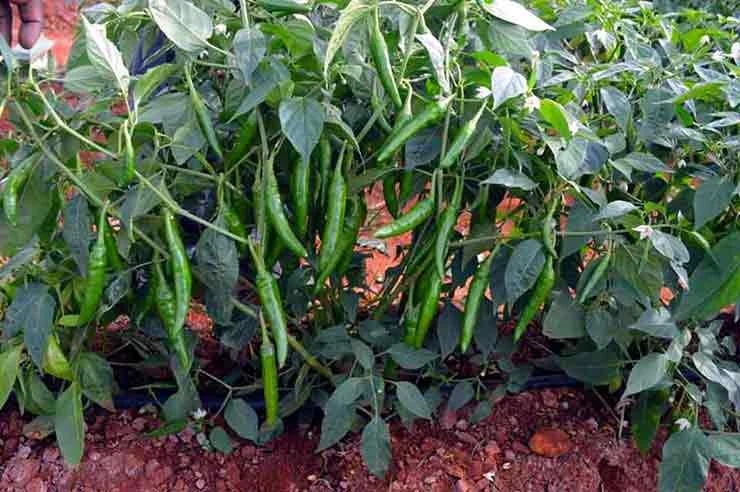
Chilli Farming Tips : If you love spicy foods and want fresh green Chillies at home all the time, growing them in grow bags can be an easy and smart option. You don’t need a large garden or farm for this. With the right care, chilli plants can grow successfully on balconies, rooftops, or any sunny corner of the house.
To avoid the last-minute runs to the market, these thin fiery vegetables can be grown easily, even at the last minute when most needed.
If you love cooking with fresh, fiery chillies but don’t have a big garden, growing them in grow bags is the perfect solution. Grow bags are lightweight, affordable, and provide excellent drainage, which chilli plants absolutely love.
Growing chillies in grow bags not only saves space but also gives your plants the best environment to produce maximum fruit.
Here are a few simple steps by which you can grow green chillies in grow bags at home:
Its important to Choose the right grow bag and chilli variety. Start with a grow bag with a minimum capacity of about 20 liters for one chilli plant, or you can plant up to three smaller plants per bag. Make sure it has good drainage holes to prevent waterlogging.
Prepare soil mix for grow bags
Chillies love light, well-draining soil that stays moist but not soggy. Mix 50% garden soil, 30% compost or cocopeat, and 20% vermiculite or perlite for better water retention and aeration. Add crushed eggshells for calcium and phosphorus, which help fruit growth and protect against pests.
You can also mix in well-rotted cow manure or kitchen waste compost for extra nutrients. Fill the grow bag about 3–4 inches from the top to allow space for watering.
Give plenty of sunlight and water regularly
Chilli plants need 6–8 hours of direct sunlight every day, so place your grow bag on a sunny terrace, balcony, or near a south-facing window. Morning sun is best to avoid scorching. Water when the top inch of soil feels dry, usually every 1–2 days depending on the weather.
Keep the soil evenly moist, but never soggy, because too much water can hurt the roots. A light feed with compost or a balanced fertilizer can help the plant grow well and produce more chillies. Also, check for pests like aphids or whiteflies, and remove damaged leaves to keep the plant healthy .
Refill regularly with compost
Make sure you do not forget to add the right amount of compost or fertiliser to your plant.
You can use liquid kitchen waste fertilizer or tomato feed high in potassium. Refeed compost every 15 days by gently mixing it into the topsoil without disturbing roots. Once flowers appear, switch to a high-potash fertilizer to encourage more fruits.
Prune and harvest regularly for more product
Pinch off the bottom leaves and lower branches near the ground, keeping only the upper two branches for bushier growth. Some tall varieties may need a small bamboo stake or trellis for support.
When the chillies reach the desired size and color, they should be harvested carefully using scissors instead of pulling them by hand. Regular harvesting encourages the plant to produce more chillies over a longer period.