Plant Based Protein : Marigold Flowers Could Become the Next Big Plant-Based Protein Source
Total Views |


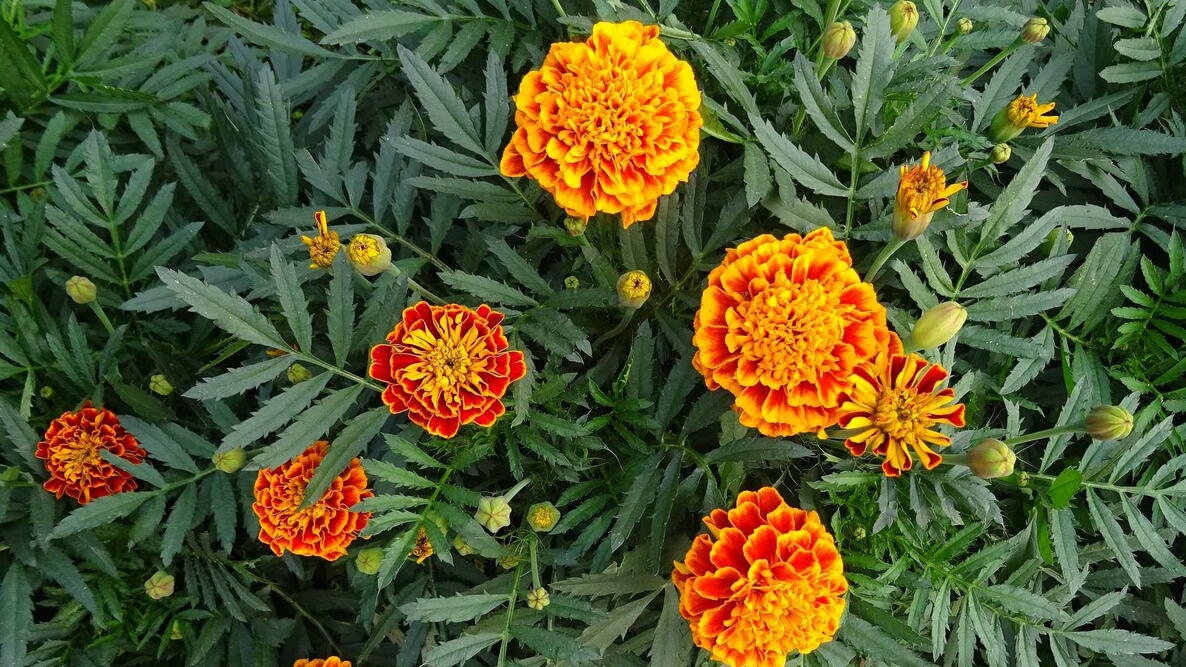
Plant Based Protein : A recent study published in ACS Food Science & Technology has highlighted the remarkable nutritional and functional properties of proteins derived from marigold (Calendula officinalis) flowers, positioning them as a promising ingredient for modern food systems.
Marigold flowers combine bioactive compounds and protein potential
Marigold (Calendula officinalis) flowers contain a diverse range of bioactive phytochemicals and have protein concentrations comparable to those of conventional plant-based foods like corn, oats, wheat, and quinoa.
This compositional profile confers antioxidant, antimicrobial, and anti-inflammatory properties that have been studied for potential use in food applications like natural colorants, functional food ingredients, and preservative systems.
Sequential extraction and characterization of marigold protein fractions
Pre-dried marigold flowers were sourced from a local supplier, ground into a fine powder, sieved, and subjected to standard protocols to extract crude protein, lipid, and crude fiber.
The contents of these components were quantified according to methods established by the Association of Official Analytical Chemists (AOAC), whereas ash content was determined using the loss-on-ignition technique. All proximate composition values were reported on a dry weight basis (g/100 g dry material) for nutritional analysis.
Proteins from marigold flowers were fractionated using a sequential extraction method based on the Osborne protein classification with minor modifications.
The structural and functional characteristics of all isolated proteins were analyzed using sodium dodecyl sulfate polyacrylamide gel electrophoresis (SDS-PAGE), Fourier transform infrared (FTIR) spectroscopy, and scanning electron microscopy (SEM). The antioxidant capacity of the protein extract was assessed using the 2,2-diphenyl-1-picrylhydrazyl (DPPH) assay.
High nutritional value and functional versatility of marigold flower proteins
The nutritional profile of marigold flowers primarily consists of carbohydrates (65.2 %), followed by moderate fiber, ash, protein, and fat, representing 11.4 %, 10.1 %, 9.7 %, and 3.5 %, respectively. Experimental analysis also indicated that albumin, globulin, prolamin, and glutelin from marigold flowers have low isoelectric points ranging from four to five, making them suitable for emulsion and gel-based foods, especially under acidic conditions.
Enhancing confidence in chemical ionization spectrometry data eBook Compilation of the top interviews, articles, and news in the last year. Marigold protein fractions differ in lightness and color intensity, with globulin appearing the lightest, albumin relatively darker, and glutelin considered the darkest.
These variations are attributed to differences in pigment solubilization during extraction, especially the use of sodium hydroxide (NaOH) for glutelin.
Albumin and glutelin fractions contained high levels of proline, cysteine, and glutamic acid, whereas globulin showed high levels of amino acids essential for emulsification, gelation, and foaming. High glutamic and aspartic acid content likely enhanced the umami flavor.
SDS-PAGE identified marigold proteins, particularly albumin and globulin, as potent sources of low-molecular-weight polypeptides, associated with superior emulsion stability and functionality.
Structural analysis confirmed distinct secondary structures in marigold protein fractions, supporting their varied functions. Amide I peaks, as well as strong N-H and C-O bands, indicated high purity and low carbohydrate content.
Glutelin and globulin contained high β-sheets, which aid stability and emulsification, while prolamin had more α-helices and lower functionality. Albumin was the most thermally stable, with marigold proteins exhibiting strong heat resistance for processed foods.
Each marigold protein fraction exhibited a unique microstructure affecting its function. Whereas albumin was porous for water-holding and emulsification, glutelin was compact for thickening and stability.
The crystalline form of prolamin limited solubility; comparatively, the moderate porosity of globulin strengthened its foaming and emulsifying potential.
Albumin had the highest surface hydrophobicity, which further contributes to its emulsifying and oil-holding capacity. Lower globulin and prolamin levels reduced their functionality.
LC-MS/MS identified protein classes, including oxidoreductases and lipid-transfer proteins, consistent with strong antioxidant, emulsifying, and water- and oil-holding activities of both albumin and glutelin, suggesting ideal qualities for retaining moisture, fat, and overall stability.
Albumin had the highest foaming capacity, making it beneficial for bakery, dairy, and aerated foods due to its solubility and flexibility.
Porosity and solubility similarly contribute to the superior emulsifying ability of albumin and glutelin, whereas compact structures in prolamin and the comparatively lower interfacial activity of globulin limit these properties. Overall, marigold proteins, especially albumin and glutelin, offered strong antioxidant and multifunctional benefits for food quality and stability.