Vertical Gardening: Revolutionizing Urban Spaces


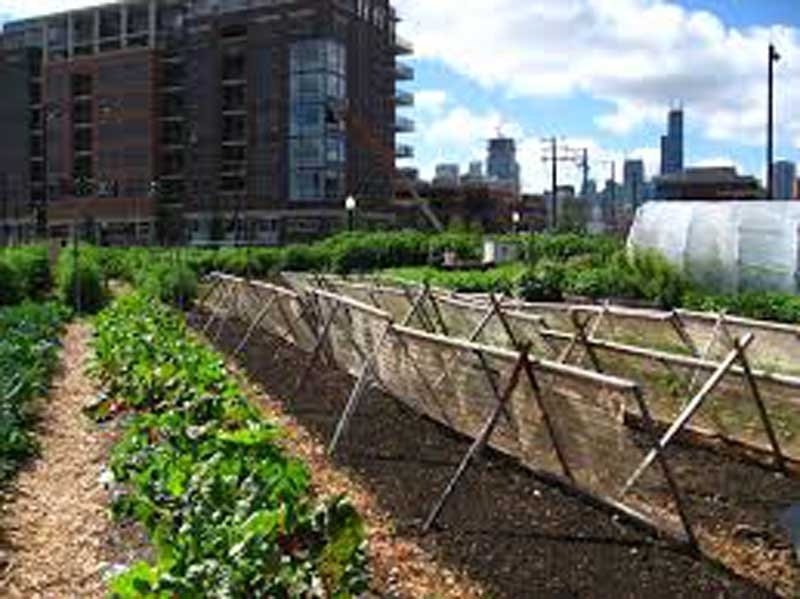
New Delhi: Urbanization has drastically reduced green spaces, affecting both aesthetic and environmental quality. Vertical gardening, an innovative solution for urban environments, allows plants to grow on vertical surfaces like walls and roofs, improving air quality, temperature control, and biodiversity. This method helps maximize small spaces while creating a visually pleasing environment. Vertical gardens, commonly known as green walls, enhance building aesthetics, purify air, and offer a sustainable approach to urban living.
Introduction
Vertical gardening, or green wall technology, refers to the practice of growing plants vertically, often on walls. This technique has gained popularity in urban environments, where horizontal gardening space is limited. Vertical gardens can be installed indoors or outdoors, contributing to healthier air quality and aesthetic appeal. Originating from ancient innovations like the Hanging Gardens of Babylon, vertical gardening has evolved into a sophisticated system used for both residential and commercial purposes. It supports the growth of a wide variety of plants, from flowering species to vegetables, utilizing trellises, wire-rope net systems and modular panels.
Types of Vertical Gardens
Vertical gardens can be classified into two main categories: Green Facades and Living Walls.
- Green Facades: These utilize climbing plants that grow from the ground up, supported by grids, wires, or trellis systems. Popular in areas with fast-growing plants, these facades can significantly improve a building’s appearance.
- Living Walls: These are pre-vegetated panels or vertical modules that contain a variety of plant species. Living walls often include integrated irrigation systems and do not rely on soil, using hydroponic methods instead. These walls are more complex than facades but provide a higher density of plants, thus offering greater environmental benefits.
Benefits of Vertical Gardens
Vertical gardens offer numerous advantages beyond aesthetics:
- Air Quality Improvement: Plants act as natural air purifiers by filtering pollutants and increasing oxygen levels. Vertical gardens enhance both indoor and outdoor air quality, benefiting the health of building occupants.
- Temperature Regulation: Green walls can absorb heat, thereby lowering indoor and outdoor temperatures. This effect reduces the energy needed for cooling systems, contributing to a building’s energy efficiency. Studies show that green walls can reduce temperatures by up to 15°F, significantly cutting down on air conditioning costs.
- Noise Reduction: Vertical gardens act as sound barriers, absorbing noise pollution. This makes them beneficial for urban areas with high noise levels. They can reduce sound levels inside buildings by up to 40dB, creating a quieter indoor environment.
- Water Management: Vertical gardens often utilize efficient watering systems, such as drip irrigation or hydroponics. Excess water is recycled, reducing waste and ensuring that plants receive adequate hydration. This helps in managing stormwater runoff, preventing pollution of natural water bodies.
- Biodiversity and Wildlife Support: Vertical gardens can attract wildlife like birds, bees, and butterflies by offering food and shelter. By supporting biodiversity in urban settings, these gardens contribute to ecological balance.
- Urban Heat Island Effect: Green walls help mitigate the urban heat island effect, where city areas experience higher temperatures than surrounding rural areas due to dense infrastructure. Vertical gardens cool buildings and reduce the overall temperature in the area through evaporation.
- Health and Well-being: Research suggests that being surrounded by greenery reduces stress and enhances productivity. Offices with vertical gardens report higher employee satisfaction and a calmer environment. Additionally, plants reduce illnesses by filtering out airborne germs, creating healthier workspaces.
Materials and Methods
Building a vertical garden requires a strategic selection of plants, structures, and irrigation systems:
4Plant Selection: Different plant species are suitable for different types of vertical gardens. For instance, climbing plants like ivy and flowering species like petunias are ideal for green facades, while ferns and succulents thrive in living walls.
4Support Systems: The type of support system used depends on the plant species and garden location. Common systems include trellises, wire-rope nets, and modular panels, which can be custom-designed to fit any surface.
4Irrigation: Vertical gardens often incorporate automated irrigation systems, such as hydroponics or drip irrigation. These systems ensure that plants receive the necessary nutrients and water while minimizing waste.
Conclusion
Vertical gardening is an innovative, eco-friendly solution to urbanization’s challenges. Not only does it maximize limited space in cities, but it also provides numerous environmental and health benefits, from improving air quality to supporting biodiversity. As cities continue to grow, integrating vertical gardens into urban design can contribute to creating healthier, more sustainable living spaces for future generations.
Success Stories
Globally, vertical gardens are gaining popularity in residential, commercial, and public settings. Cities like Singapore and Paris are leading the way, incorporating vertical gardens in public spaces and building facades. The Bosco Verticale in Milan, an iconic residential building, uses vertical forests to combat pollution and foster biodiversity in urban settings. In homes, individuals grow herbs and vegetables on kitchen walls or balcony setups, making fresh produce more accessible.
With continuous advancements in irrigation technologies and plant care systems, vertical gardening’s success is only expected to grow. It offers a sustainable and aesthetic solution for future urban living, proving that no space is too small for greenery.
Vadada Vinay kumar
Naveen Yadav Bairagani
- Bhargavi
Ph. D. (Hort.) Vegetable Science, Dr. Y.S.R. Horticultural University, College of Horticulture
- Syam Sundar Reddy
Professor, Department of Horticulture, Dr. Y.S.R. Horticultural University, College of Horticulture