Pollution levels in Yamuna worsen despite efforts by DPCC


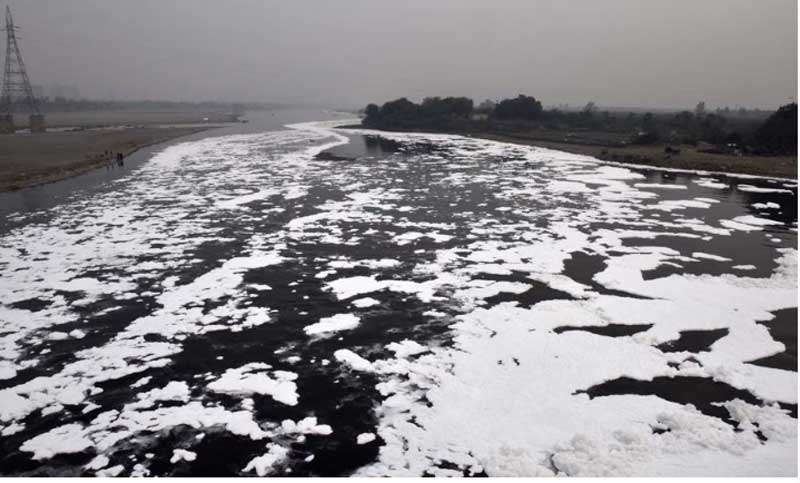
The DPCC presented the report after analyzing the water samples taken from key points like the Najafgarh Drain, ISBT (after Najafgarh joins the Yamuna), and the D/S Point (after Shahdara Drain joins the river). The BOD level touched 127 mg/l to 112 mg/l from January to March 2025, which has crossed the safe limits.
As per the officials, the lack of rainfall was the major reason for this pollution. Water flow slowed down due to low rainfall in the national capital, which made it difficult for pollutants to be diluted or washed away. The fact was that the river was observed to be the cleanest in September 2024, when the BOD level was measured at 29 mg/l after the Shahdara Drain joined the Yamuna.
It means that Yamuna is getting worse despite all the efforts made by the DPCC. The report of the DPCC raises the eyebrows of many citizens regarding the increasing pollution levels of Yamuna, highlighting that it should be solved as early as possible with great effect and long-term pollution control measures.