Power of nature: Biodiversity keeps flower industry alive


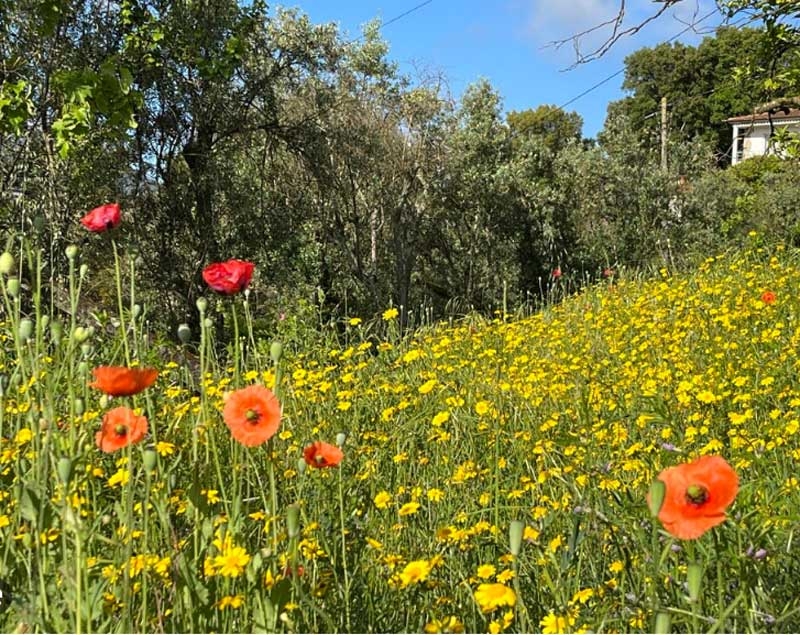
Many smart flower growers and breeders now understand this. They know that the beautiful flower bouquets we enjoy today—and the ones we’ll love tomorrow—depend on keeping nature’s balance. Without biodiversity, the entire flower industry could struggle.
But biodiversity isn’t just about having many kinds of flowers. It’s about the whole natural system that supports flower growth—from tiny microbes in the soil to birds, bees, and bugs that help pollinate. This natural web is like a garden bed that keeps the flower industry standing tall.
Farms that plant only one type of flower (called monoculture) are more likely to fail if disease or pests arrive. On the other hand, flower farms that protect biodiversity see better long-term results. With more types of plants, they attract helpful insects and need fewer chemicals to keep flowers safe. That’s good news for the environment—and for flower lovers.
See the example of the South American nation Colombia. The nation is known for its biodiversity, with more than 27,000 plant species. It is the hub of flower production. Here floriculture and biodiversity blossom side by side. Its rich ecosystems support a huge number of floral varieties, making the country a shining example of how flowers and nature can grow in harmony.