IPM provides eco-friendly and cost-effective pest control methods


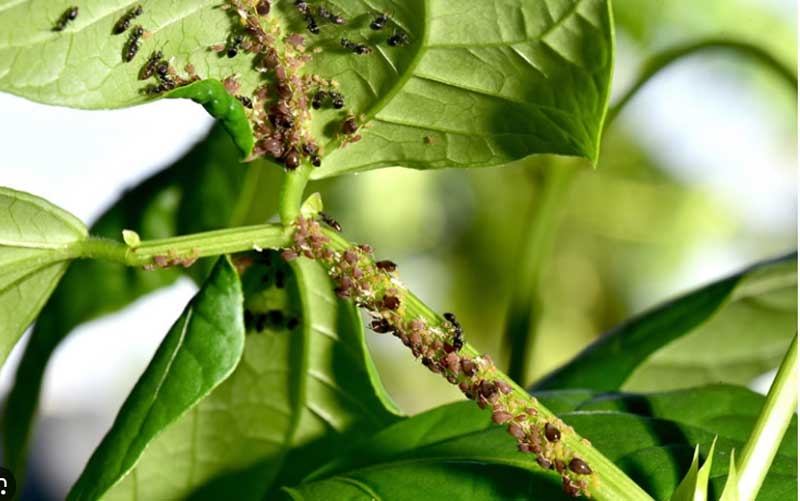
IPM plays a key role in overcoming pests’ issues. Besides this, it protects the environment and human health as well. It gives lifelines in the growth of natural enemies of pests and ensures long-term sustainability in farming. Therefore, IPM plays a key role in the success of the horticulture sector.
It protects natural predators like ladybugs and dragonflies, reduces harmful pesticide usage, cuts down production costs, encourages pest-resistant crop varieties, controls environmental pollution, safeguards farmers from pesticide-related health issues, and promotes sustainable horticulture practices.
IPM can be used in horticulture through different methods such as removing old crop residues, deep summer ploughing, using clean seeds and timely sowing, maintaining proper plant density, choosing pest-resistant horticulture crop varieties, providing balanced nutrients, using protective nets, and sprinkling kerosene water in nurseries. Neem oil can also be used on the farms. In the end, use chemical pesticides when necessary but in limited amounts.
IPM plays a significant role in boosting the production in horticulture at lower costs; it also saves our environment for the upcoming generations. It is safe for the farmers and sustainable farming. This will increase the productivity and farmers’ income as well.