Kundali blooms once every 12 years: A celebration of nature, courage & culture


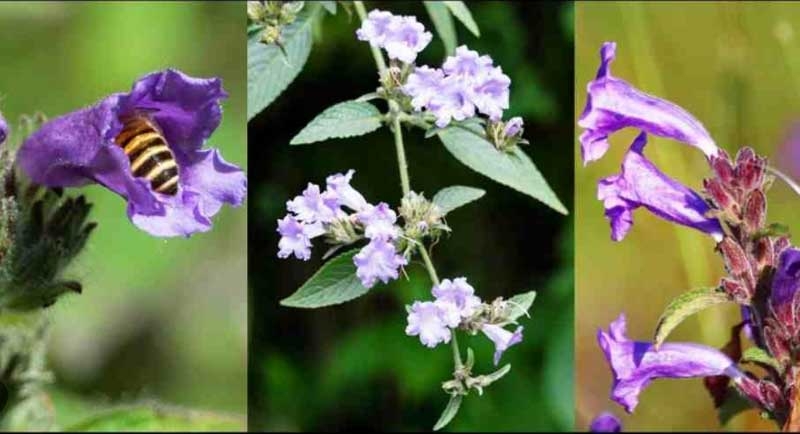
The Kandali Festival is related to the celebration of Rung tribe due to the bloom of this unique flower. The entire valley comes alive with vibrant energy as people wear traditional outfits, perform folk dances, enjoy local cuisine, and take part in dramatic plays. One of the main highlights of the festival is a theatrical performance that reenacts a historic battle from 1841. This play shows how the local villagers bravely fought against invaders from Ladakh, reminding everyone of their community’s courage and resilience.
The festival’s roots lie not only in nature but also in powerful legends and real historical events. One important story is from the 19th century, during the rule of the Dogra Rajput kingdom. It is said that General Zorawar Singh sent his soldiers to invade the region when the Rung men were away.
The Kandali Festival is not just a celebration of a flower. It is a powerful reminder of the strength and unity of the Rung people. It also brings together other nearby tribes like the Bangbani and Joutiya, who join in to celebrate their shared history and culture. Songs, dances, and joyful gatherings fill the valley, creating a festive atmosphere that touches everyone who takes part.
Uprooting the Kandali plant during the festival is more than just a tradition. It is believed to remove misfortune and bring good luck and prosperity to the people. The plant, which blooms only once every 12 years, becomes a symbol of the tribe’s long-lasting spirit and their connection to both the land and their history.