Say goodbye to garden pests through homemade pesticides
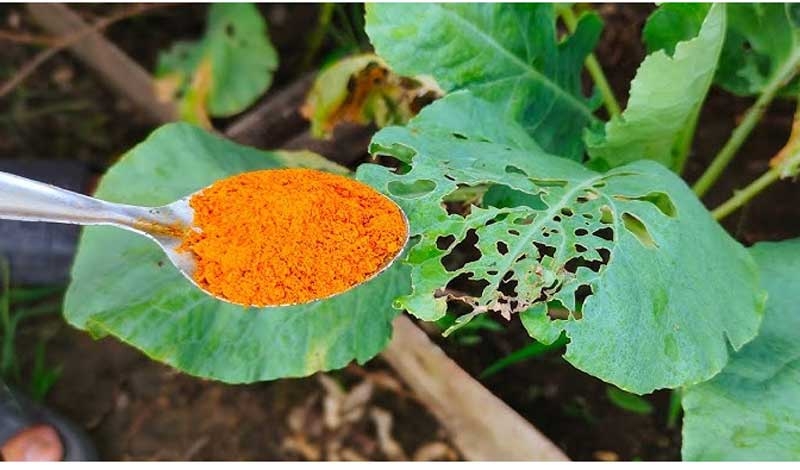
Before using any kind of pesticide—homemade or store-bought—follow some basic steps to protect your houseplants. First, water your plants regularly. Do not spray pesticide on dry, burnt, or stressed plants, such as those that have been overwatered. If some leaves are badly infested with pests, remove them and throw them in the bin. Do not compost them, as this can spread the pests.
Always spray pesticides in the shade and not in direct sunlight. The sun can burn the plants while the pesticide dries. Also, keep children and pets away when using pesticides, even if they are homemade like dish soap spray. Always test any spray on a few leaves first. Wait for 48 hours and check for damage. If the leaves turn brown or get burnt, dilute the solution and test again.
Look under the leaves and around the stems for pests. If you find any, remove them by hand or use neem oil, which is a strong natural pesticide. Mix 5–10 ml of neem oil in 1 liter of water and spray once or twice a week.You can also make a homemade spray using garlic, ginger, and chili mixed with water. This protects plants from harmful bugs. A mix of soap and water also works as a mild pesticide.
Healthy soil helps plants stay strong. Use good compost and organic fertilizer to keep the soil full of nutrients. Avoid overwatering, as too much water can cause fungus and pests. Water only as much as the plant needs. Give your plants enough space so they get good air circulation and stay healthy. Growing marigold, basil (tulsi), or mint can help keep pests away naturally. Also, give your plants partial shade—they need some sunlight, but not too much, to stay healthy and pest-free.