Nature’s way: Organic farming flourishes all over India


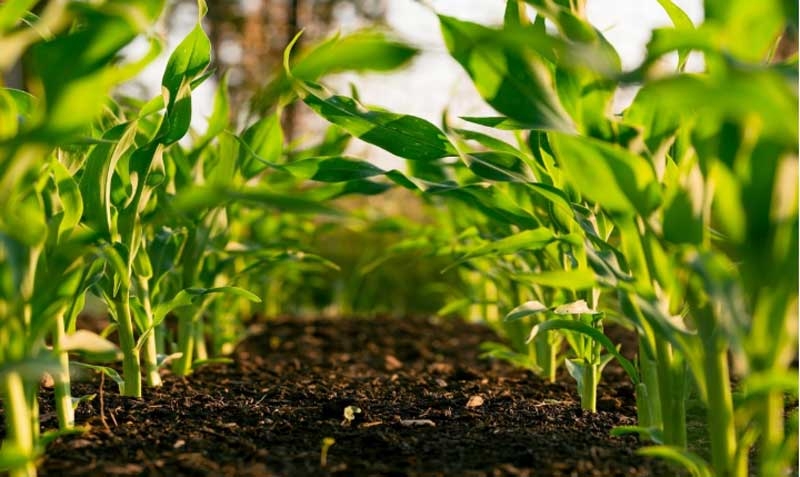
Leading the way in organic farming are states like Madhya Pradesh, Maharashtra, Rajasthan, and Gujarat. These states contribute significantly to India’s total area under organic agriculture. Interestingly, many of these regions also have high tribal populations, showing a strong connection between tribal communities and traditional, natural farming practices.
India holds a top global rank in terms of the number of organic farmers and land under organic cultivation. The Indian government has supported this growth through various schemes and initiatives that help farmers transition from conventional to organic farming. These programs include training, financial aid, and access to organic certification.
Organic farming in India is diverse. It covers not just food crops but also includes fiber crops like cotton, medicinal plants, and more. The methods used in organic farming focus on sustainability—such as crop rotation, integrating livestock, and using natural fertilizers and pest control instead of synthetic chemicals.
The demand for organic products is rising in domestic and global markets. This movement provides better health, benefits the environment, and also keeps the farmers’ health better and boosts their income all over the country.