Revival efforts continue to save rare mango varieties in Malda


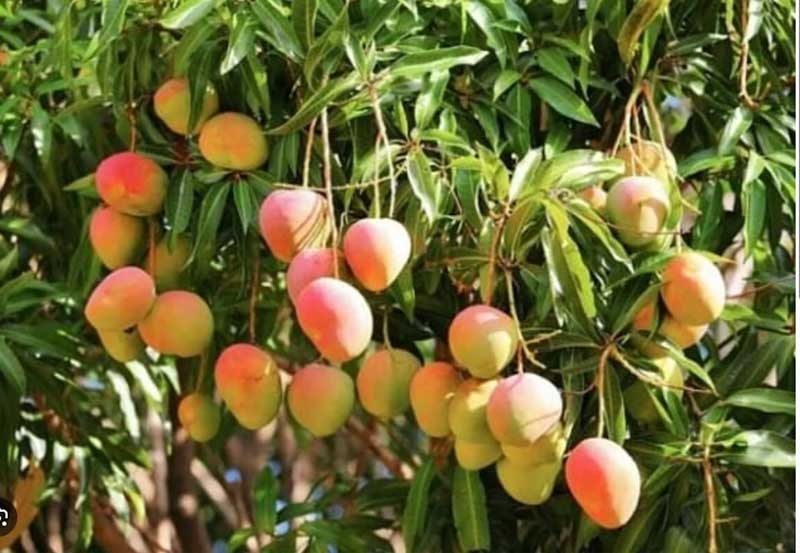
The production of these mangoes was limited, but locals like to consume them. However, the orchard owners did not find much profit in such varieties, so they replaced them with commercially popular varieties like Lakshmanbhog, Fajli, Khirsapati, and Lyangra, and their demand is high in domestic as well as global markets.
According to the district horticulture office, these traditional varieties were once grown on 1,200 hectares of land, but now they survive in just 400 hectares. Experts warn that if not preserved, these mangoes could go extinct. “To save them, we are using scientific techniques and better orchard management to promote their growth,” said Samanta Layek, Deputy Director of the State Horticulture Department.
The area of mango orchards is gradually shrinking due to increasing real estate pressure. Several orchards have been sold for the developing housing societies. Axes fell on those trees that fetched less profit and rare kinds of mangoes.
Currently, Malda has been growing mangoes over 31,182 hectares; the overall production of the fruit is above 3 to 3.5 lakh metric tonnes every year. The revival of such rare varieties is a big task for the state horticulture department. It is difficult in the present scenario but not impossible.