Boon for diabetes: Jamun loses significance despite medicinal values
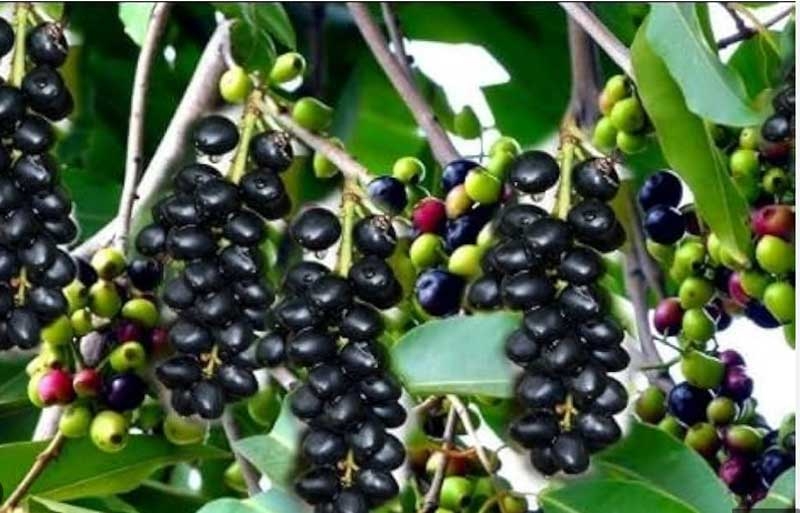
A member of the Myrtaceae family, jamun is a tall, evergreen tree with strong roots and dense leaves. It can grow well in tough conditions like waterlogged or saline soils—areas where other horticultural crops fail. This makes Jamun ideal for small and marginal farmers, especially in flood-prone or low-fertility regions.
Diabetes is now a common disease in India amid poor and adulterated foods, pollution, and mental stress. Currently, more than 11% of people are suffering from diabetes, and 15% are pre-diabetic. The demand of natural remedies has gone up in recent years because they don’t have any side effects. Jamun is one of the best remedies for diabetic patients. Its seeds contain natural compounds—jamboline and jambosine—that keep blood sugar levels under control.
Jamun is packed with nutritious values. Every 100 grams has 84% moisture, 14 grams of carbohydrates, essential minerals like calcium and potassium, and vitamins A, B, and C. It is low in fat and calories, perfect for healthy diets. Jamun fits well into India’s horticulture.
The healthy fruit grows across the country, especially in Tamil Nadu, Rajasthan, Uttar Pradesh, Odisha, and even in hilly regions. It doesn’t need much care, but its expansion is the demand of the time because jamun’s production is dipping, which is a bad sign. Attention needs to be paid to the organized cultivation of this fruit, like others. It is beneficial for both farmers and consumers alike, providing income and health.