DRDO scientists grow watermelon in Ladakh's frigid temperature


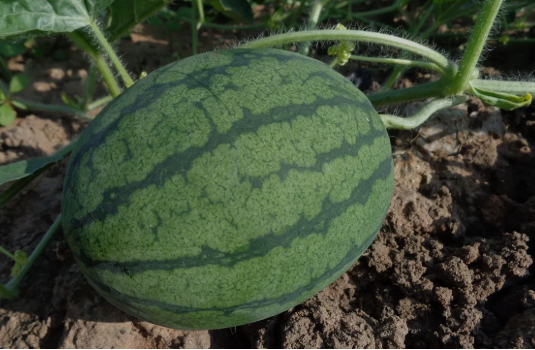
However, scientists from the Defence Institute of High Altitude Research (DIHAR), part of DRDO, have made the breakthrough; they were trying this since the 1960s to start farming in the region. Recently, they succeeded in growing watermelon in open fields through a unique technique called microclimate modification.
Watermelon usually grows in hot temperatures between 21°C and 32°C. It is grown in states like Gujarat and Andhra Pradesh. Watermelon in Ladakh’s harsh weather is a great breakthrough for our scientists. To keep the soil warm, researchers used Black Plastic Mulch (BPM). BPM is a thin plastic sheet that traps heat, keeps the soil warm, saves water, and controls weeds.
Five watermelon varieties were tested: Beejo-2000, Arka Manik, KSP-1127, Swapnil, and Sugarbaby. Only natural manure was used for the bloom of plants without chemicals. Watering often used to take place. The fruits were harvested in August and September. This success is set to provide a new option for local growers and give a fresh food supply to soldiers posted in Ladakh.