New research reveals high pesticide level in Thailand’s edible flowers
Total Views |


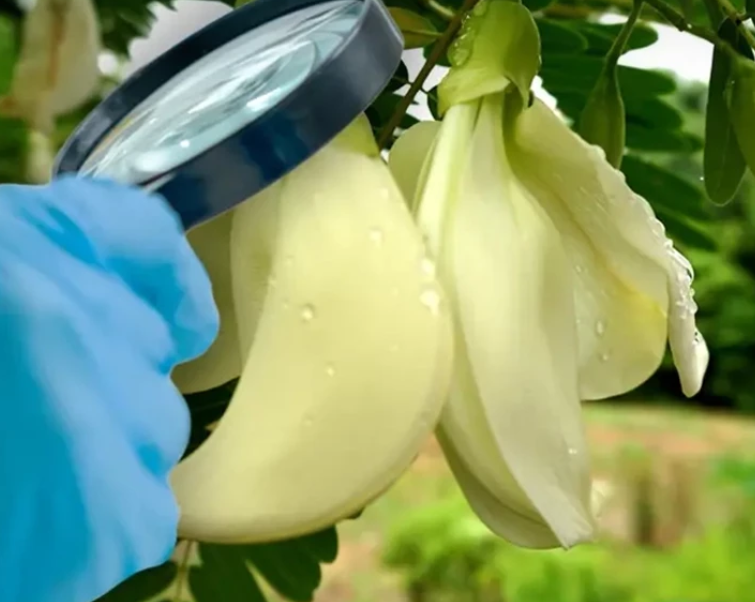
Bangkok: Two new studies have raised concerns over the safety of edible flowers in Thailand. The research shows that more than half of the flower samples tested were contaminated with harmful pesticides.
The first study was led by Ratiyakorn Srikote from the Food Quality and Safety Office, under the Department of Medical Sciences. It was conducted with help from regional offices in Chiang Rai, Nakhon Ratchasima, Songkhla, and Chonburi. The team collected 192 samples of edible flowers from markets and gardens in 13 health zones across Thailand. Out of these, 115 samples — or nearly 60% — were found to contain pesticides.
The most contaminated samples were:
46 jasmine samples (24%)
43 rose samples (22.4%)
16 vegetable hummingbird samples (8.3%)
8 wild ramose herb samples (4.2%)
2 cowslip creeper samples (1%)
A second study, led by Pasurat Settaphan and Sasithorn Sukreetha from the Ninth Medical Sciences Office, tested 18 samples for 132 different pesticide types. The results highlighted the widespread presence of hazardous chemicals in flowers that are meant to be eaten. Experts say consumers should be cautious and call for stricter checks on food safety.