Thrissur’s botanical garden blends history, science and conservation


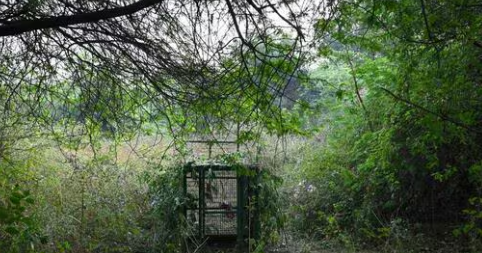
The garden’s name is derived from the 17th-century botanical book Hortus Malabaricus (Garden of Malabar), which recognized Kerala’s rich plant heritage and ancient medicinal practices. Credit goes to Dutch Governor Hendrik van Rheede for creating this famous work, with the help of local healers like Itty Achuthan.
Currently, the garden is home to 742 plants listed in the original treatise. There are more than 700 rare species from the Western Ghats. It has been serving as a center for research, education, and conservation of native and rare plants.
Sam Santhosh, a genomics expert known as the “Genome Man of India,” led the project. All the facilities are available for visitors, such as guided tours, workshops, and pollution-free cottages for stays. The garden has been growing as a hub for science, and nature lovers. Students also turn up for research purposes.