Civic body’s green project claims fall flat as ESR exposes severe pollution


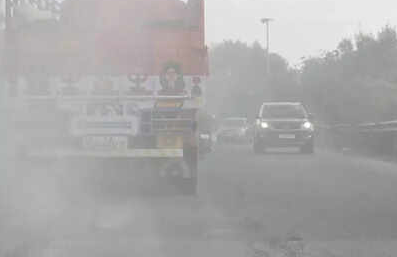
The report makes it clear that PM2.5 and PM10 levels, the small particles, are above the safe limits set by India’s National Ambient Air Quality Standards. These tiny particles enter into the human body and then lead to several major diseases. Water tests for the Pavana, Indrayani, and Mula rivers found hazardously low dissolved oxygen (DO) levels and high chemical and biological oxygen demand (COD, BOD), signifying severe pollution.
Environmental activists slammed PCMC, saying its awards and “green” projects are hollow. Activist Prashant Raul went on to say that untreated water has been discharged into rivers, with frequent sightings of dead fish and toxic foam. The Central Pollution Control Board has already classified the Pavana River in the ‘Priority 1’ category—among India’s most polluted rivers.
Dust due to construction and illegal burning is responsible for worsening air quality in the area, residents say. Activist Shailaja Deshpande further added that several sewage treatment plants (STPs) have not met the required norms.
PCMC officials acknowledge that pollution levels have been increasing. However, steps are being taken, such as road sweeping, fog cannons, and more STPs. Civic officials say that the master drainage plan is ready, but it needs the government’s funds.