Wildfires increase global air pollution: WMO report


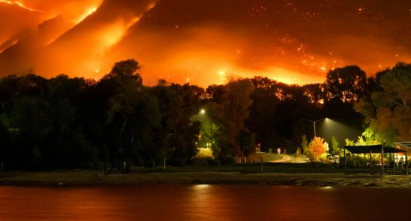
India is on the receiving end and remains as one of the most polluted countries in the world. PM 2.5 levels are high in the country, which can affect anyone’s health. Other regions are also facing plenty of challenges, like wildfire activity, emissions from vehicles, and so on, causing above-average PM 2.5 levels in Canada, Siberia, and central Africa.
The air pollution rose sharply in the Amazon basin in the previous year: it is a big concern. This led to an increase in wildfires and drought-driven fires in northern Latin America. Scientists say both wildfires and droughts are responsible for the climate change.
The WMO report has made it clear that air quality and climate are closely linked to each other. Small particles called aerosols play a major role in wildfires, shipping emissions, winter fog, and urban pollution. While some aerosols cause cooling, which is contributing to global warming. The report has warned that burning fossil fuels and biomass and poor waste management release black carbon, methane, and nitrogen dioxide, and they are changing the climate worldwide.