Climate Smart Farming : Compostable Mulch Films Are Changing Indian Farming, But Here’s the Real Challenge


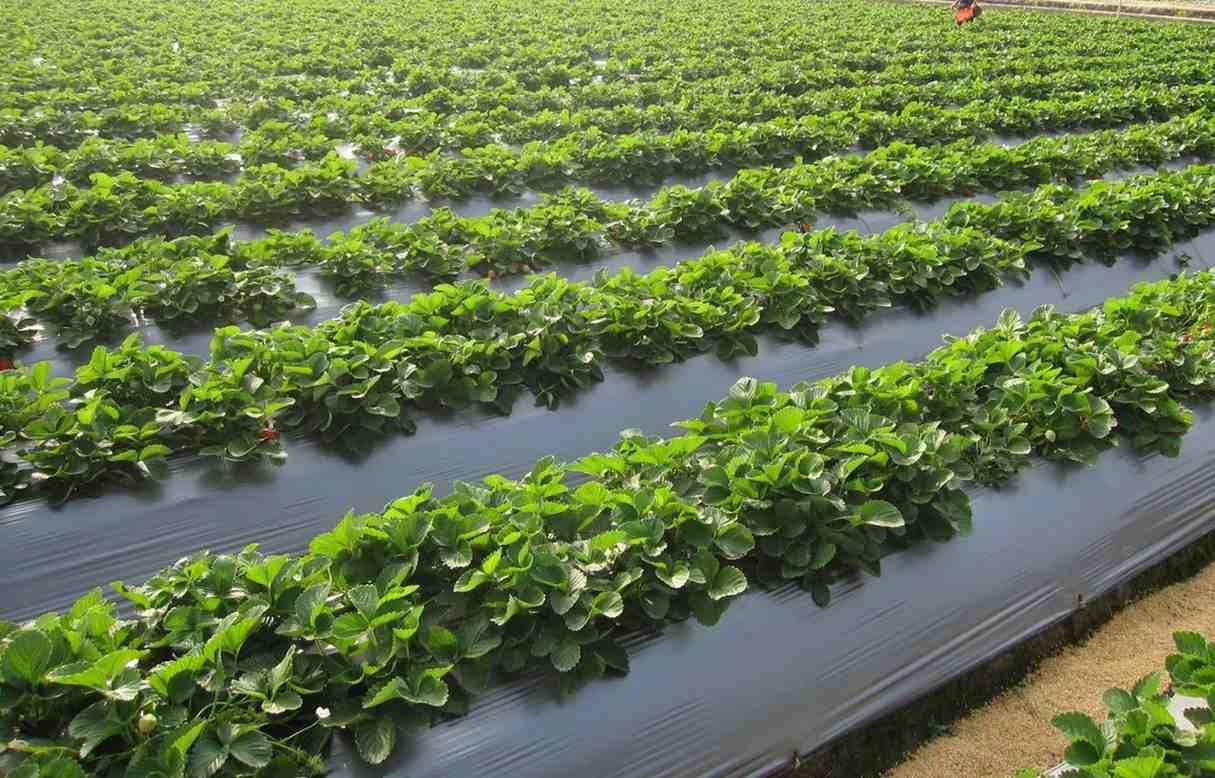
Climate Smart Farming : Across India, mulch films and nursery bags have become an essential part of modern farming practices. Farmers rely on them to conserve soil moisture, control weeds, support sapling growth, and improve overall cultivation efficiency. However, once the harvesting season ends, another issue begins - managing the plastic waste left behind.
Recovering used agricultural plastic from farms is rarely simple. Most films are mixed with soil, roots, fertilizers, and organic residue, making collection and recycling difficult. In many cases, the waste is either dumped, burned, or remains in the field itself. Over time, this contributes to soil contamination and growing environmental pressure in agricultural regions.
The industry has been searching for alternatives, but durability remains a major concern.
Many compostable films available today are designed for fast decomposition. That works well for packaging, but farming conditions are far harsher. Nursery bags and mulch films are constantly exposed to sunlight, water, microorganisms, fertilizers, and changing temperatures. Farmers cannot afford materials that begin breaking down midway through a crop cycle.
This practical challenge is what led to the development of delayed composting technology.
Focused creating compostable nursery bags and mulch films that stay stable during use and compost only after their agricultural purpose is completed. The idea was not just to make the product compostable, but to make it usable under actual farming conditions.
Compostable nursery bags and mulch films have therefore been engineered to tolerate:
- Continuous soil contact
- Water and fertilizer exposure
- Tropical heat and sunlight
- High microbial activity
- Long crop growth cycles
Engineering Compostability for Indian Farming Conditions
The material has been developed to withstand continuous soil contact, moisture exposure, fertilizer interaction, microbial activity, and tropical weather conditions commonly seen across India. Depending on the surrounding environment and application, the product is designed to maintain stability for nearly 6–12 months.
During a backyard gardening experiment, one nursery bag remained intact even into the ninth month before visible signs of composting started appearing. For us, that trial reinforced an important point: compostable materials for agriculture cannot behave like short-term packaging materials.
The products are also 100% industrially compostable, offering a more responsible disposal pathway compared to conventional agricultural plastics.
Globally, the focus is shifting from simply replacing plastic to creating field-ready sustainable materials that work under real farming conditions.As Indian agriculture continues modernizing, technologies that balance durability and eco-friendly disposal may play a major role in reducing agricultural plastic pollution in the years ahead.That balance matters.