AI in Horticulture Nursery Management


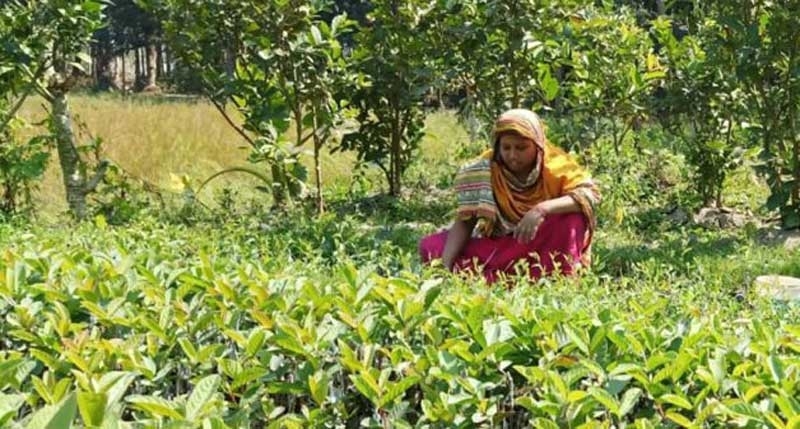
AI can significantly enhance horticulture nursery management in India by improving efficiency, reducing costs, and optimising the growth and health of plants. Here’s how AI can be integrated into various aspects of horticulture nursery management:
- Smart Irrigation and Water Management
AI-Driven Irrigation Systems : Use AI to analyse soil moisture data, weather forecasts, and plant water needs to automate and optimise irrigation schedules. This ensures that plants receive the right amount of water, reducing waste and preventing overwatering.
Predictive Water Usage : AI models can predict future water needs based on historical data and environmental conditions, helping nurseries to plan water resource management more effectively.
- Disease Detection and Pest Management
AI-Based Disease Diagnosis : Implement AI-powered image recognition tools that can detect early signs of plant diseases through smartphone apps or cameras installed in nurseries. Early detection allows for timely intervention, minimising crop losses.
Pest Monitoring and Management : AI can be used to monitor pest populations through image analysis and sensor data. It can predict pest outbreaks and recommend targeted pest control measures, reducing the need for broad-spectrum pesticides.
- Growth Monitoring and Optimization
AI for Growth Prediction : Machine learning models can analyse growth patterns and environmental data to predict the optimal growth conditions for different plant species. This can help in planning planting schedules and optimising resource use.
Customised Fertilisation Plans : AI can analyse soil and plant nutrient data to create customised fertilisation plans, ensuring that plants receive the right nutrients at the right time for optimal growth.
- Inventory and Supply Chain Management
AI-Driven Inventory Management : AI can be used to track plant inventory in real-time, predict demand, and optimise supply chains. This ensures that nurseries maintain the right stock levels, reducing waste and ensuring timely availability of plants.
Predictive Analytics for Market Demand : AI models can predict market demand for different plant species based on historical sales data, seasonal trends, and consumer preferences, allowing nurseries to plan production accordingly.
- Labour and Resource Optimization
Automated Labour Management : AI can help optimise labour allocation by predicting the tasks that need to be performed daily, such as planting, watering, pruning, or harvesting. This ensures efficient use of labour resources.
Resource Allocation : AI can optimise the use of resources such as fertilisers, pesticides, and seeds, based on the specific needs of the nursery, reducing costs and environmental impact.
- Data-Driven Decision Making
Centralised Data Platforms: Develop AI-powered platforms that collect and analyse data from various sources, including soil sensors, weather stations, and market data. This provides nursery managers with actionable insights for making informed decisions.
AI in Research and Breeding : AI can assist in plant breeding programs by analyzing genetic data to predict the traits of offspring, accelerating the development of new plant varieties with desirable characteristics such as disease resistance, drought tolerance, or faster growth.
- Environmental Monitoring and Sustainability
Climate Control Systems : AI can be used to control greenhouse environments, adjusting temperature, humidity, and CO2 levels to create optimal growing conditions. This not only enhances plant growth but also reduces energy consumption.
Sustainability Initiatives : AI can help nurseries adopt more sustainable practices by analysing resource use and suggesting ways to reduce waste, conserve water, and minimise the carbon footprint.
- Customer Engagement and Sales
AI-Powered Customer Recommendations: Use AI to analyse customer preferences and purchasing history to recommend plants or products that are most likely to meet their needs, enhancing customer satisfaction and increasing sales.
Virtual Assistants and Chatbots: Implement AI-driven chatbots on nursery websites to assist customers with plant selection, care tips, and troubleshooting, providing a personalised shopping experience.
- Training and Capacity Building
AI-Driven Training Programs : Develop AI-based training programs and tools for nursery staff, helping them learn best practices in plant care, disease management, and sustainable agriculture techniques.
Knowledge Sharing Platforms : Create AI-powered platforms for knowledge sharing among nursery managers, researchers, and horticulturists, fostering collaboration and innovation in the field.
- Regulatory Compliance and Certification
AI for Compliance Monitoring : Use AI to ensure that nursery operations comply with local regulations and standards, such as those related to pesticide use, water management, and plant health.
Certification and Traceability : AI can help nurseries achieve certification for organic or sustainable practices by tracking and documenting compliance with certification standards, providing traceability for consumers.
Implementation Roadmap
- Initial Assessment and Planning (0-6 Months)
Conduct a needs assessment to identify key areas where AI can be integrated.
Develop a detailed implementation plan, including selecting AI tools and technologies.
- Pilot Projects (6-12 Months)
Implement pilot projects in specific areas such as irrigation, disease detection, and inventory management.
Monitor the outcomes and refine the AI models based on feedback.
- Full-Scale Deployment (12-24 Months)
Scale successful pilot projects across the entire nursery operation. Integrate AI-driven systems into daily nursery management practices.
- Continuous Improvement (24+ Months)
Regularly update AI models with new data and insights.
Expand AI applications to other areas of nursery management, such as research and development, sustainability initiatives, and customer engagement.
AI integration into horticulture nursery management in India offers the potential for significant advancements in efficiency, productivity, and sustainability, ultimately leading to more successful and profitable nursery operations.
Prof. Arun Kumar Tyagi
Emeritus Scientist, Uttrakhand State Council of Science and technology, Dehradun
Y.P. Singh
President, Indian Nursery Association
Editor, Nursery Today